

 Amie Dawson, Ph.D.
Sometimes the most frustrating kind of orgasm problem is not no orgasm.
It is when pleasure is clearly happening, your body is clearly responding, and yet orgasm still feels strangely far away. You are not starting from zero. You are in it. But the sensation does not seem to gather, narrow, or tip over into release.
That can make you second-guess everything. Am I not aroused enough? Am I doing the wrong thing? Is my body just slow? Should I press harder, go faster, or try something stronger?
Usually, the answer is not that your body is broken.
Orgasm timing varies more than most people think, both between people and from one day to the next. Clinically, delayed orgasm is not just “it took a while.” It is a pattern of orgasm feeling delayed, infrequent, absent, or much less intense even after arousal and adequate stimulation. And current reviews treat female orgasm difficulties as multidimensional, shaped by body, mind, context, and timing rather than one single missing ingredient.
What often needs adjusting is not your capacity for orgasm. It is the path you are taking to get there.
When pleasure is real but still feels far away
This is what makes slow orgasm so maddening.
If you felt nothing, the problem would be easier to name. But that is not what is happening. You do feel something. Warmth. Swelling. Sensitivity. Maybe waves of pleasure. Maybe moments where you think, okay, now maybe. The body is responding. The tissue is awake. The nerves are online. Yet the feeling still does not seem to move toward a finish.
That gap between responding and arriving is the whole problem.
A lot of people know this sensation exactly. The touch feels pleasant, sometimes very pleasant, but it stays broad. It spreads out instead of pulling inward. It hovers in the same zone without deepening into that more focused, gathering sensation that usually comes before orgasm. That is a useful clue. It often means the issue is not lack of sensation. It is lack of momentum.
When that is the problem, the useful question is not what feels strongest. It is what your body can actually keep following, which is often what becomes clearer when you find a clitoral stimulation pattern that holds instead of restarting every few seconds.
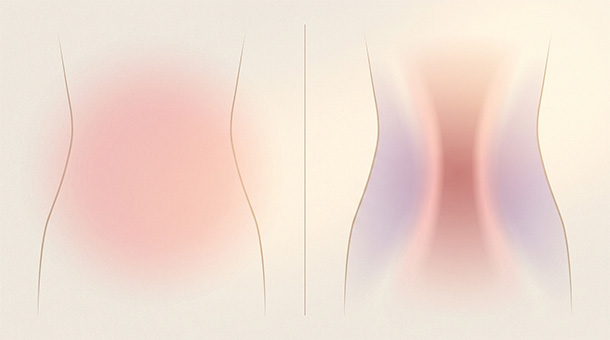
Then time enters the room. And once time enters, frustration usually follows behind it.
At first you are inside the pleasure. Then enough minutes pass that you start wondering how long this is taking, whether you should change something, whether you are doing it badly, whether the moment is slipping away. Now the waiting is no longer neutral. It is part of the problem.
Slow orgasm often means the body is responding, but not locking in
One of the most common reasons orgasm takes a long time is that arousal is real, but not fully built yet.
The body can be engaged without being ready to finish. You can have enough arousal to enjoy touch without having enough depth of arousal for orgasm to come easily. Clinical models separate desire, arousal, and orgasm for a reason. They influence each other, but they are not one single switch.
In plain language, your body may be saying yes, but not yet.
This is also why going straight to the most direct stimulation does not always save time. Sometimes it adds time. You get a lot of sensation fast, but not much momentum. The nerves wake up before the rest of the body has gathered behind them.
Orgasm often depends on repetition too. A certain pressure. A certain angle. A certain rhythm. A certain sequence. When orgasm is slow, one common problem is that the body keeps responding but never quite settles into the pattern that lets pleasure intensify. You get warmth, then pleasure, then more pleasure, but it stays diffuse. It never narrows into something your body can ride all the way through.
That is one reason people can feel very stimulated and still take a long time. The input is not wrong enough to fail. It is just not right enough to finish efficiently.
For many people, orgasm does not come from pleasure simply getting bigger. It comes from pleasure becoming more focused, more rhythmic, more specific. The feeling stops being everywhere and starts gathering into one clearer line of build. When that narrowing never happens, stronger stimulation is often not the answer. Sometimes the missing ingredient is not more sensation. It is a more usable shape of sensation.
For some people, the sensation stays pleasant but too spread out to gather because it never gets the right kind of focus. That is often the deeper difference between broad pleasure that feels good and contact that actually starts narrowing toward orgasm.
When you keep circling the same level of pleasure
This is one of the clearest reader-recognition moments in the whole topic.
You are not climbing anymore, but you are not dropping either.
You are just circling. The same good feeling. The same level of charge. The same almost-there-but-not-really-there state. For a while, that can feel promising. Then it starts to feel like a loop.
When that happens, the issue is often not “my body can’t orgasm.” It is “my body is stuck at one layer of arousal.”
Sometimes the reason is simple. The rhythm changes before your body can settle into it. The hand changes speed. The pressure shifts. The toy angle moves. You try something new because the current thing feels too slow. But that change may interrupt the exact repetition your body was just starting to trust.
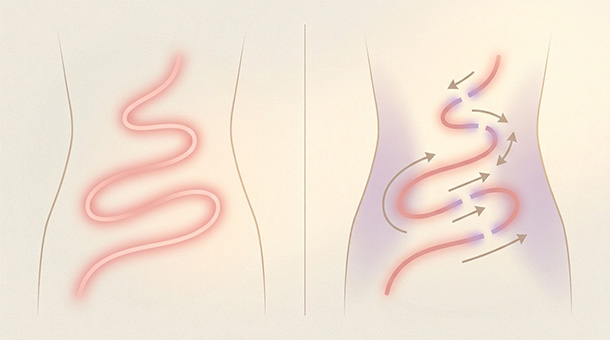
So the body keeps getting close to a build, then losing the continuity it needed.
That is one reason “trying more things” can quietly make orgasm slower. There is a time for experimenting, and there is a time for staying with what is already working. If pleasure is alive, changing too much can break the build instead of helping it. A lot of people think they need more variation when their body actually wanted one clear signal held a little longer. That is often why steady pressure builds better than more movement once pleasure is already there.
A lot of people quit a pattern too early because they think, if this were working, I’d be there already.
But sometimes it is working. It just has not had enough uninterrupted time yet.
Why starting too directly can waste time instead of saving it
One of the most common ways people accidentally slow orgasm down is by trying to shortcut the buildup.
They go straight to the most sensitive external area because that seems efficient. Smaller target. More sensation. Faster result. But efficient and effective are not the same thing.
If the body is not fully warmed up, starting too directly can create a lot of sensation without creating much momentum. The nerves are awake, but the feeling stays shallow. Bright. Exposed. Surface-level. Promising for a second, then strangely stuck there.
That is why the most intense contact is not always the contact that helps your body build fastest. For a lot of people, especially early in arousal, direct stimulation lands too exposed. The body is being stimulated, but not fully recruited. That is often the practical difference between direct and indirect clitoral stimulation early in the process.
Better buildup often shortens orgasm time more than stronger stimulation does.
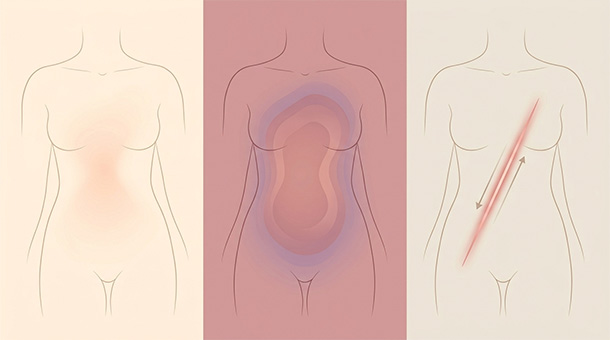
This is where many people burn time without realizing it. They try to save time by going harder or more directly earlier. If the body needed more warm-up first, that shortcut often adds time instead of removing it.
Why more effort can quietly make the whole thing take longer
Once orgasm starts taking a while, effort sneaks in.
You press harder because you want to speed things up. But harder pressure can flatten the sensation instead of sharpening it. It can make the tissue feel less layered, less alive, less responsive. What you feel may become more obvious but less useful.
Then speed joins the party. Faster can feel exciting for a few seconds because it creates urgency. But urgency is not the same thing as orgasmic buildup. Sometimes speed just makes the sensation more scattered, more surface-level, and harder for the body to stay with.
So you end up doing more, feeling more, and getting there more slowly.
And then the emotional layer creeps in. Once orgasm becomes a deadline, the body often stops unfolding and starts being managed. That shift is subtle, but it changes the entire tone of the session. Pleasure is still there, but performance pressure starts getting louder than sensation. The longer it takes, the more emotional weight the session picks up. First hope. Then impatience. Then frustration. Then the desire to just be done.
At that point, orgasm is no longer only about pleasure. It is also about escaping the tension of the delay.
That usually makes the whole process slower.
Some days your body just takes longer to organize around pleasure
This is where people tend to get harsh with themselves for no good reason.
Stress can keep the body responsive but not fully open. You can still feel pleasure. You can still get turned on. You can still respond. But stress often leaves a quiet layer of guarding in place. The sensation is there, but it does not gather as easily. It can feel like the brakes are lightly on the whole time.
Fatigue can do something similar. The body is not refusing orgasm. It is just slower to organize around it. What usually builds in ten minutes may take much longer when you are tired. That does not automatically mean anything is wrong.
Hormonal shifts can quietly reshape the whole experience too. Tissue may feel drier. Warm-up may take longer. Sensitivity may feel lower or simply different. Orgasm may still happen, but the build can take longer and feel less predictable.
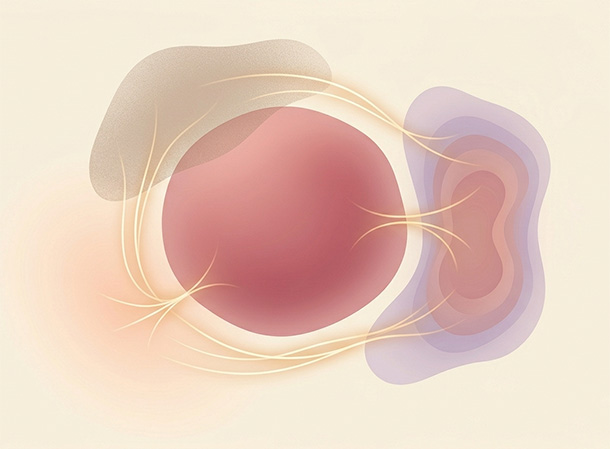
Once people understand that there is not one universal “my orgasm time,” the whole thing usually feels less personal. There is solo timing. Partnered timing. Relaxed timing. Stressed timing. Tired-body timing. Familiar-body timing.
That is a pattern. Not a moral failure.
Medications, pain, dryness, and health changes can slow the build
If orgasm timing changed after starting or adjusting a medication, that matters.
SSRIs are especially well known for delaying orgasm, and other medications can affect it too. Pain, dryness, pelvic floor tension, low arousal, nerve changes, chronic illness, and menopausal changes can all make orgasm slower even when pleasure is still possible. Sometimes part of your attention and body energy is being spent managing discomfort or guarding instead of deepening arousal.
This is the practical rule I would give readers: if you have always taken a while, that may simply be your body’s normal pattern. But if orgasm used to come more easily and now it takes much longer, that is different.
A new delay deserves more curiosity than an old one.
If longer orgasm time comes with pain, low arousal, dryness, numbness, or pelvic discomfort, the picture is broader than simple impatience. And if the change is persistent, upsetting, or clearly linked to medication, menopause, illness, or a major shift in sensation, it is reasonable to talk to a doctor or sex therapist.
What actually helps when orgasm is taking a long time
The fastest way to make orgasm take longer is to make quickness the measure of success.
Once speed becomes the target, the body often gets more tense, more monitored, and less responsive. So the first shift is not technical. It is conceptual. Stop treating speed like proof that things are working.
Then get more practical.
Extend the buildup before the most direct stimulation starts. More warm-up often works better than more force.
Keep one pattern steady longer than you think you need to. If something feels good and seems to be building, do not abandon it too early just because orgasm has not happened yet.
Lower physical pressure and mental pressure at the same time. If the sensation starts feeling effortful or frustrating, soften physically and internally together. Lighter touch. Less forcing. Less checking. Less come on already.
And notice what helps pleasure stay alive instead of what feels most intense.
That is the filter that matters most.
Do not ask only, “What feels strongest?”
Ask, “What helps pleasure stay warm, focused, and alive?”
That question usually gets you much further.
The bottom line
Taking longer does not automatically mean your body is malfunctioning.
A slow orgasm is often not a failure problem. It is a timing problem. A buildup problem. A pattern problem. A context problem. Sometimes a medication problem. Sometimes a stress problem. Sometimes a dryness or pelvic-floor problem. Often some messy combination of several things.
The goal is not faster orgasm at any cost.
It is a path your body can actually build from.
That is a very different goal. And usually a much kinder one too.
Reviewed Medical Sources
The information in this article is informed by current clinical reviews and medical guidance on delayed orgasm, female sexual dysfunction, biopsychosocial contributors, medication side effects, and related care.
- Mayo Clinic. Anorgasmia in Women: Symptoms and Causes.
- Mayo Clinic. Female Sexual Dysfunction: Diagnosis and Treatment.
- Dasrilsyah RA, et al. Female Orgasmic Disorder: How Far We Have [Not] Come? 2025.
- Toledo RG, et al. Female Sexual Desire, Arousal, and Orgasmic Dysfunctions. 2025.
- Myers A, et al. Female Sexual Function, Dysfunction, and Treatment. 2026.
- Roytman MV, et al. Female Sexual Function and Dysfunction. 2025.
- Jing E, Straw-Wilson K. Sexual Dysfunction in Selective Serotonin Reuptake Inhibitors (SSRIs) and Potential Management Strategies. 2016.
- Mayo Clinic. Antidepressants: Which Cause the Fewest Sexual Side Effects?
- Kelley EL, et al. Psychotherapy in Treating Female Sexual Dysfunction. 2025.
Add comment