
Starting with Vibrators
A lot of people buy their first vibrator based on vague words like powerful, best-selling, or life-changing, then end up with something that does not fit their body at all. These articles help you start more clearly, so you can choose based on the kind of stimulation you actually want, not the kind of marketing that sounds good in a product page.


Understanding the Different Types
Not all vibrators miss for the same reason. Some are too buzzy. Some are too broad. Some press in the wrong place or stimulate the wrong way entirely. This section helps you understand what each type is built to do, how it tends to feel on the body, and why one category may suit you much better than another.




Learning How to Use Them
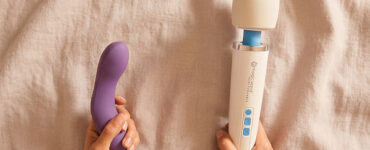
A vibrator can be technically good and still feel disappointing if the angle, pressure, setting, or setup is off. These articles help you use different kinds of toys in a way that feels more natural, more comfortable, and more likely to actually work for your body.




When a Vibrator Is Not Working for You
Sometimes the toy feels too intense. Sometimes it feels like nothing. Sometimes it gets you close and then loses you. This section helps you figure out what may be going wrong and what to change before you blame yourself or throw the toy in a drawer.


Keeping Things Safe and Comfortable
The practical side matters more than people think. A toy feels a lot easier to enjoy when you trust the material, clean it properly, store it well, and know what is normal versus what may irritate your body. These articles help you use vibrators in a way that feels safer, cleaner, and more comfortable over time.


Buying Better and Living With the Toy
A lot of disappointment starts at the buying stage. These articles help you spot low-quality products, read past misleading claims, and make better sense of things like charging, waterproof labels, noise, travel, and how long a toy is likely to last before it stops being worth the space it takes up.


Finding What Fits Your Body and Situation
Bodies do not all respond the same way, and generic advice often falls apart the moment real-life factors enter the picture. This section helps you think through sensitivity, accessibility, relationship use, body differences, medication effects, and life-stage changes that can shift what feels good and what does not.


